Education is about helping students to recognize the value of the blank pages in their growth. Guess what, parenting needs blank pages, too!

Education is about helping students to recognize the value of the blank pages in their growth. Guess what, parenting needs blank pages, too!

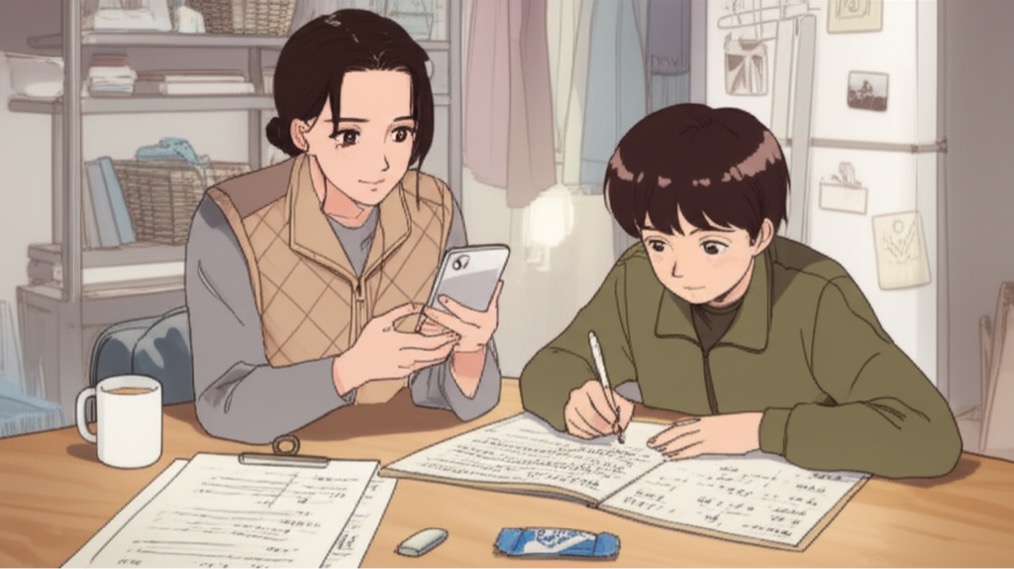
My son Rintaro is studying for his high school entrance exams, so my wife is working with him on math, which he’s not good at. He has terrible handwriting, so his messy numbers get in the way of getting the right answers. Yesterday, my wife said, “This equation is a story, so to speak, leading up to the answer. So, write that story clearly and beautifully so the reader can understand it. You can’t arrive at the answer without telling your own story.” I think you have heard the different kinds of explanations to teach kids the importance of “showing their work” before the answer. 

The math teacher used to say, “Show me your work,” at the American middle school where I taught. We taught students the importance of not just writing down the answer, but also “showing the process and explaining it logically.” In fact, even in graduation exams, when the teacher asked students to “verbally explain how to solve it” rather than “solve this equation,” students who didn’t do so well in math but who had practiced the steps a lot were better at explaining logically than students who routinely said, “I already know the answer, why do I have to write down the steps?”

I work with parents. Some are tired of searching for the “right answer” in parenting. Others don’t care about “how” to do it. Some parents are cost-conscious and only want to know “what will happen” if they do it. And others worked hard to develop their own steps to their answers. We would probably just write down the “answer” if the answer column on an answer sheet were very small. What if there were 10 blank pages attached before the answer column? We would not just write “answer” in the small square box on the last page, right? We would use those blank sheets to write steps and thoughts that lead to the answer. 

Would you understand the answer if you knew just the answer? Most importantly, would you understand the steps to arrive at the answer just by knowing the answer? Would you really be able to understand the process of getting there? Use blank pages! Don’t copy and paste someone’s steps in those blank pages. It has to be your steps! No matter how many times you ask around and put together someone’s “correct answer,” you won’t arrive at “your answer.” The breadth of parenting lies not in the correct answer column, but in the process column. 

In Japan, I hear, “there’s no right answer when it comes to raising children.” It is one of the comforting phrases for parents who are struggling to raise kids. Some start arguing with their own opinions. “But, you know…” “There’s no right answer when it comes to raising children,” but what ideas follow after that statement? Your “but, you know…”

“But, you know, there is ‘my’ answer. And the ‘process’ of getting there is what’s exciting about parenting!” is my idea. 

Show the process. That might mean you can get partial credit even if the answer is wrong. I want to raise my children in a way that values ​​partial credit. That’s because I want to teach them to value the process and to give fair, proper evaluations along the way. Whatever the outcome, the story is adventurous, and its ups and downs make it remarkable. 

We need to value the way we parent and the process of our growth as parents, and give ourselves fair credit along the way. I think it would be best to say something like, “I’m sure we are doing something together with my kids that has a positive influence on mychild. I’ll give myself partial credit for that!”

There is no right or wrong way to raise children, but partial credit is fun and amazing. Whatever the outcome, the story should be worth reading.
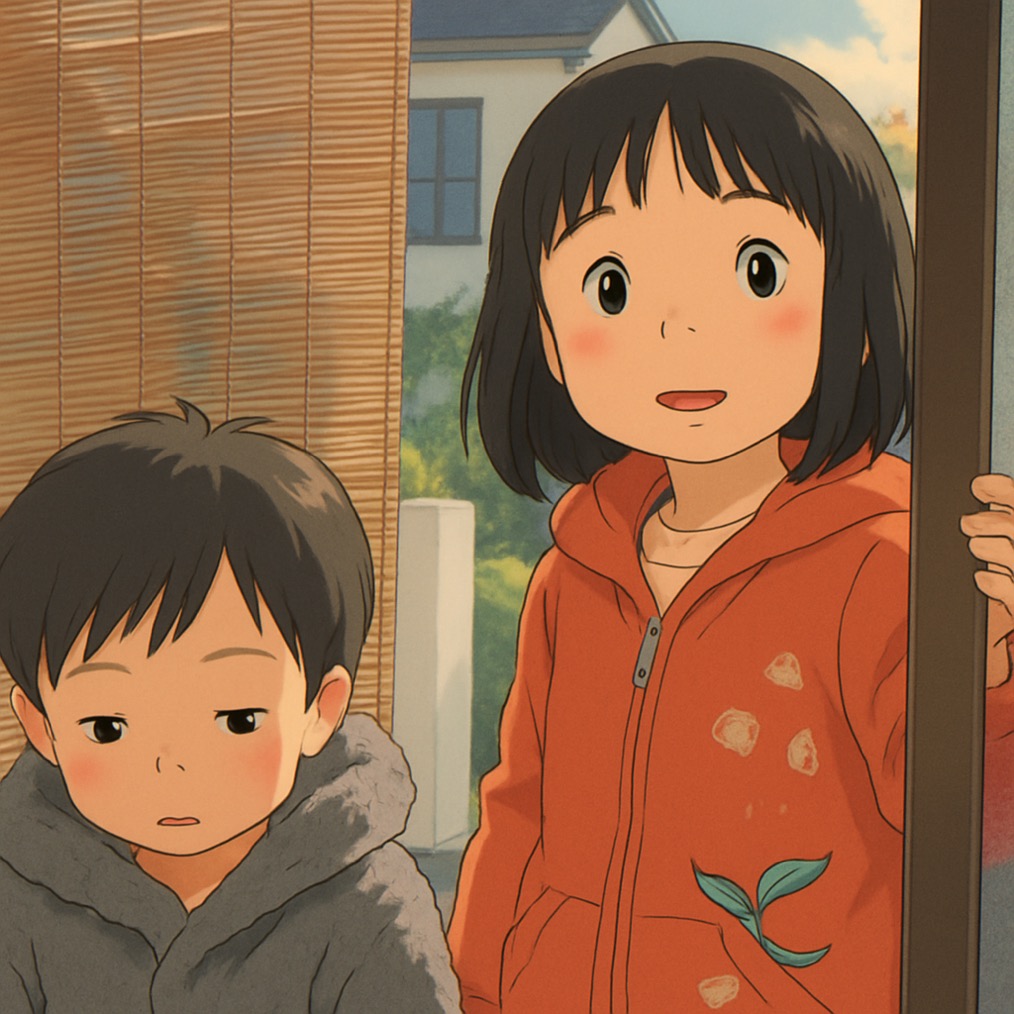
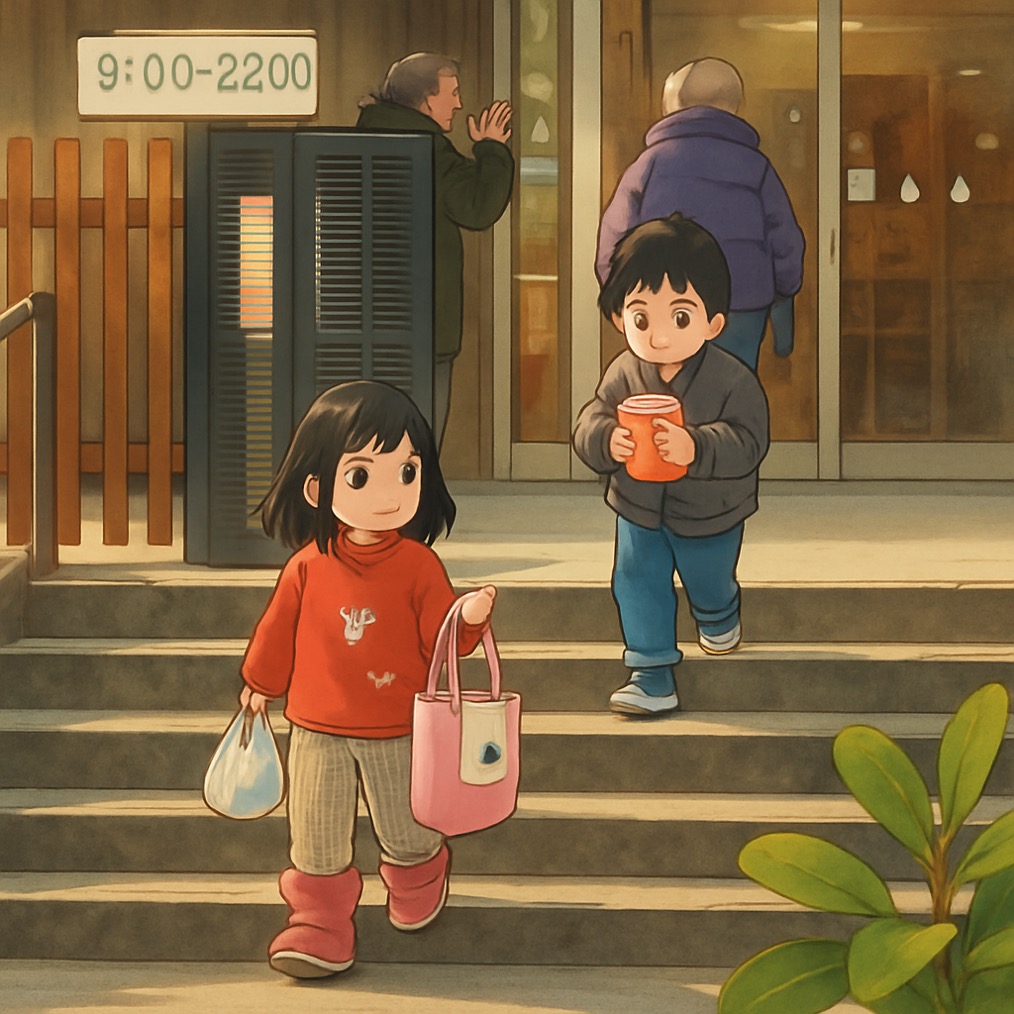
 “There is no perfect day, just the perfect moment. My kids went for the first time to do chores!”

My kids have been practicing getting snacks while we were in the same store. We sit in the cafeteria area, and they go get their own snack. They cannot use the machine yet because of their height, so they have to wait in line. I knew the next step would be sending them from our home rather than the cafeteria.

Yosuke’s snack was snatched by a crow in the park yesterday. Yosuke was so surprised to see it that he talked about his snack for the rest of the day. I told him to buy the same snack the next day.  My daughter was also shocked to see it, so she wanted to go get one with him on their own. Well, she wanted to do First time chores. 

Today was cold and windy. I wish they had chosen the warmer day to do the first-time chores. My wife asked me, “Are you sure?”

I told Chia and Yosuke “Don’t cross the street. Take the over crossing. And remember, don’t run, stay together.” My kids were so ready. They were so sure that they could do it. They are getting warmer clothes. 

I left home a couple mins late and crossed the street to follow them. They were not running on the street, and they were walking together as we promised. 

I took a different route home so that I could pretend I was home this whole time. I wanted to welcome them home. 

They acted as if it were not a big deal when they came home. It was a big deal! We are very proud of you two! 

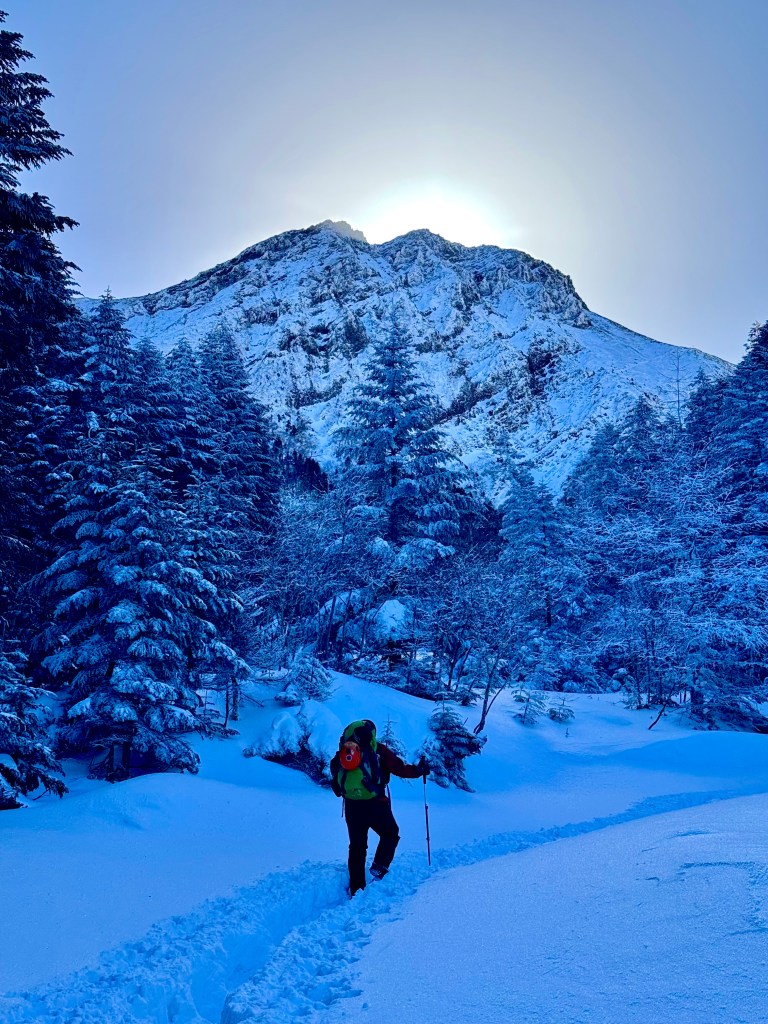
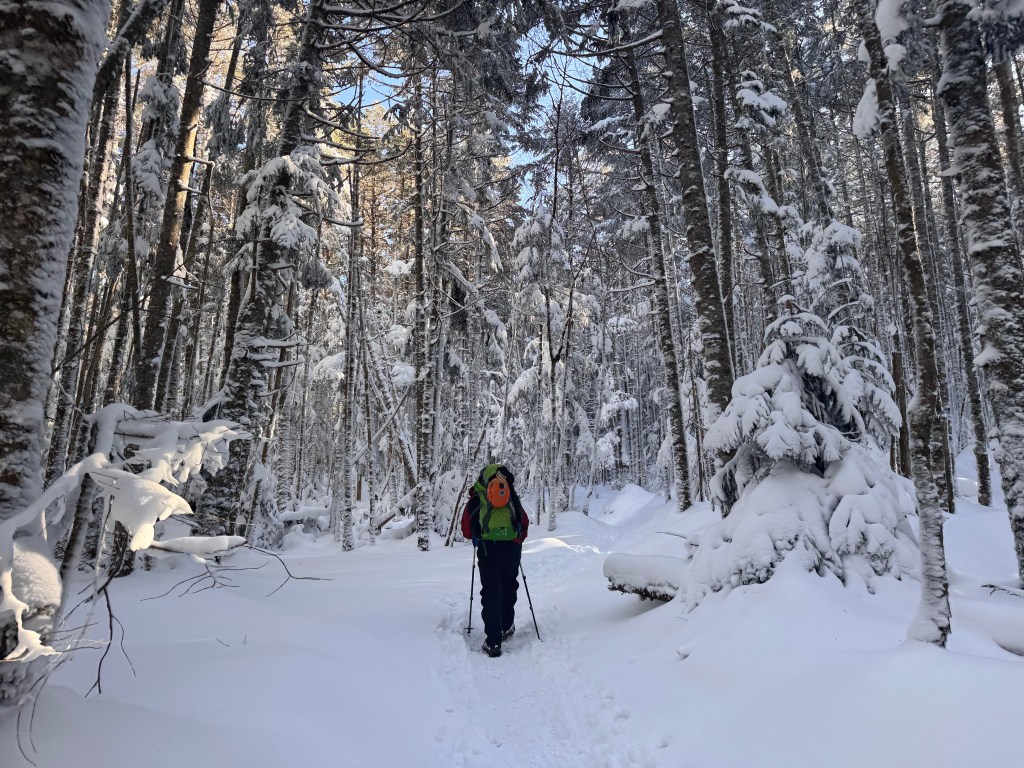
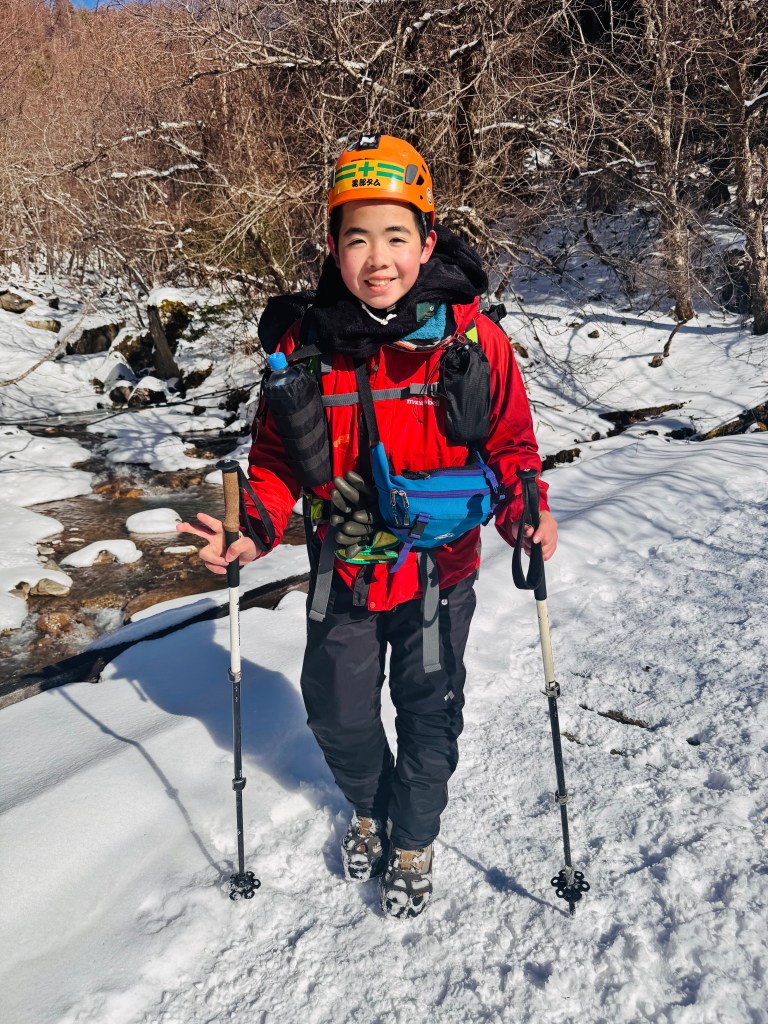
Taking kids climbing a mountain is the best way to teach them about natural consequences. There are many teachable moments for parents and learning opportunities for kids, as well as an amazing time in nature together. 

My wife told me, “Don’t come back,” just as my son and I were about to leave to climb a mountain. My answer was “I hope not.”

A couple of months ago, we left for a climb in the evening. We were about to challenge one of the most strenuous courses in the Japan Alps, and we prepared for years. The conversation between my son and me got so heated in the car that we decided to head home. Well, I decided to head back. That surprised my wife, who was already asleep. So that is why she was saying “Don’t come back!” to us instead of “Come home safely.”  I am sure that you guys have similar experiences with your kids. 

It takes about 4 hours to get to the trailhead from my house. It is always a good opportunity for my son and me to chat. We are talking about how he feels about his big exam next month, to how we feel about what’s going on in the world. We talked about how lucky we are to have an amazing family. 

It was a perfect day to go mountain climbing. A blue sky and no clouds, and very warm for January. 

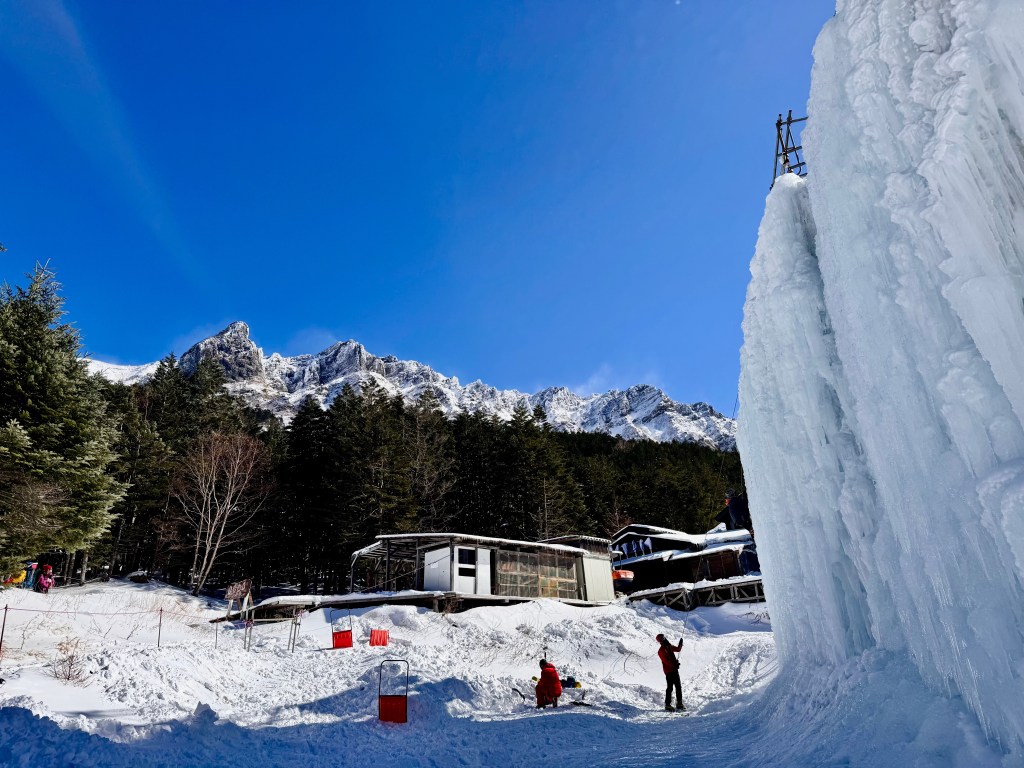
Well, guess what? We couldn’t reach the top of Mt. Akadake. We did not leave on time, so we arrived at the base lodge very late. But we had a great walk-and-talk in nature. I think my wife is proud of me. My son and I made a different choice this time.  I knew we would not have enough time (enough to climb safely) to climb Mt. Akadake. But it was enough for us to talk about and face the natural consequences of our actions and the choices we made. 

If we had gone to climb Mt. Akadake from the time we left, it would have been the kind of climbing I don’t like. It means we probably don’t have time to stop and enjoy the scenery or the conversations. We don’t have time to pay attention to the details of what we see and take photos. Just needed to push and rush. In fact, we did not stop to rest first 3 hours to get to the base lodge. It was already 10:00am. We should have been there by 8:00am. In fact, many climbers were coming down to the base lodge from the peak. 

My son and I are starting to have a good conversation, and I wanted to continue that. When my son and I go climbing, that brings out feelings that don’t usually arise in our daily life. It may be an opportunity to make big changes in our daily lives. Put them into action and incorporate the determination into our daily lives. Sometimes, changing your daily life is more difficult than embarking on a big adventure.

On the way home, we did not take a highway. We took the local roads home. Just having more conversations with my son. But my son fell asleep in the passenger seat. 

After he came home from the trip, he unpacked his gear and went to sleep. Now, he is working on something with a cardboard box in his room. I think he is working to build something to help himself finish his middle school year strong.

It was not the climb we expected, but we came home feeling well rested and more respected for each other. 

He used the green backpack for the climb, and I gave it to him when he started climbing a mountain with me. Wow, time flies. 

How lucky for children to have someone other than their parents to call them by name. It’s a gift for children to receive from their parents for the first time when they come into this world. 

I hear my daughter’s name “Chia” at the school gate when teachers are standing and greeting in the morning. Then I hear her classmate chanting “Chia-chan” as she walks to her classroom. It gives me warmth and smiles every morning. It is an amazing way to start my day as well. Children feel welcome and also part of the community.

The names parents came up with after days of thinking. It’s a gift children receive from their parents for the first time when they come into this world. I believe that parents need people who call their child names. That means your kids have someone in their lives who is looking after and caring for them. Those people tell you things you don’t know about your children. Things you don’t recognize. Those are the people who give what parents cannot give and share. 

One of my students’ parents asked me how she could continue working with middle school students, because she ran an organization for students who don’t attend school. She said that many elementary school kids attend the event, but fewer middle school students do.

If there is an event that children have never attended, elementary school students may think,

“That sounds fun. I want to go!”

“That sounds interesting.”

“I want to do that.”

They tend to think about what’s going to happen at the event. 

However, adolescents may feel,

“Who will be there? How many are coming?”

“How do I look if I join?”

“What do other people think of me?”

“Am I too old for that?”

They tend to think about who will be there and how I am going to be viewed. Adolescents can be very self-conscious. 

I advised her to call everyone by name. Help children call each other by name instead of “Onisan – older brother” and “Onesan – older sister.” They can have fun name tags. It’s very simple and yet so meaningful to adolescents. Treat them as young adults, not children. Give them responsibilities. Let them be part of your goals, instead of activities. Let them enjoy who they are, and who they can become, even if it’s a one-day event. 

I want to call my child’ friends and classmates by name as much as I can. 

30日は幸先詣

明けていないけど、「明けましておめでとうございます」今年もたくさんの冒険に出て、多くの親子と共に頑張りました。みなさんの1年はいかがだったでしょうか。

ここ数年は初詣は幸先詣。コロナの時に、地元の神社が勧めていて、幸先詣は自分の性格にピッタリ。今年もご祈祷をして頂き、2025年が終わり、1年お世話になった人たちの事を想い、2026年を迎えることができそうです。

長女は祈祷の間はしっかりと座っていることができました。

次男は途中で飽きてしまいそうなので、今年は最初からジャングルジム。

引いたおみくじは「吉」でした。書かれていたメッセージは私の決意を後押ししてくれるものでした。

この10年間は大晦日は登山でした。仲間たちと凍えながら、日の出を待ちました。1年を冒険で終わり、冒険で始めるワンダーフォーゲル部の登山。今年は家族と共に年越し予定です。

子供たちの頬をすりすりしながら、手をさすりながら、初日の出を見たいと思います。